

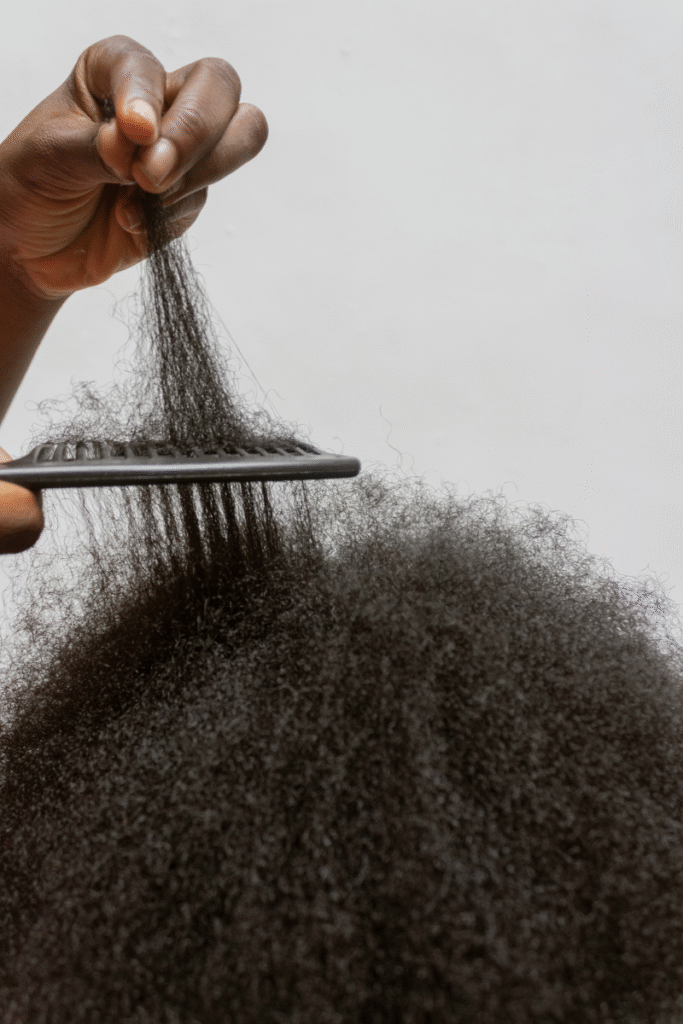
Understanding Alopecia and Its Types
Alopecia is a medical term that refers to hair loss, which can manifest in various forms and can significantly affect individuals emotionally and psychologically. Among black women, specific types of alopecia are notably prevalent, often influenced by hair care practices, genetic predispositions, and cultural factors. Understanding these distinct types of hair loss is crucial in addressing the stigma associated with hair loss in this demographic.
Traction alopecia is one of the most common forms of hair loss among black women, primarily caused by hairstyles that exert excessive tension on the hair strands. Styles such as tight braids, weaves, and ponytails can lead to gradual hair loss, particularly around the hairline. This condition underscores the need for awareness regarding the impact of certain grooming practices on hair health.
Central centrifugal cicatricial alopecia (CCCA) represents another significant type, characterized by gradual hair loss that begins at the crown of the head. This condition is often related to systemic issues and may be exacerbated by hairstyles that pull on the roots. Understanding CCCA is vital, as it can lead to permanent hair loss if not addressed early.
Moreover, androgenetic alopecia, or female pattern hair loss, affects women of all ethnicities, including black women. It is genetically inherited and involves a progressive thinning of the hair. This condition can begin as early as the twenties and presents unique challenges tied to cultural beauty standards.
Alopecia areata is an autoimmune condition that results in sudden hair loss, often in patches. This type can affect women of any age and background, leading to emotional distress. Recognizing these various types of alopecia is essential not only for prevention and treatment but also for fostering a supportive community that promotes positive conversations about hair loss and beauty.
Hey there! I receive a commission when you purchase through these affiliate links I get compensated for my professional recommendations, thank you for taking the time to read my post!


- Award-Winning Treatment – Our Rosemary Mint Scalp and Hair Oil is a nutrient-rich, intensive formula that blends biotin,…
- Suitable for All Hair Types & Textures – Powered by rosemary oil & biotin to help invigorate the scalp and enhance circu…
- Multifunctional Formula – As a dry scalp treatment, this formula infuses moisture into the scalp while supporting long-t…
The Impact of Hair Loss on Identity and Self-Perception
For many black women, hair is much more than a physical attribute; it is a fundamental component of identity and self-expression. Hair has historically been a symbol of beauty, cultural heritage, and personal style. However, when faced with hair loss due to conditions such as alopecia, the psychological implications can be profound. The societal and cultural significance placed on hair can lead to feelings of distress and lowered self-esteem when it undergoes unexpected changes.
Psychologically, the loss of hair may trigger a crisis of identity for black women. Often, they feel alienated from standards of beauty perpetuated by media and society. These beauty norms typically emphasize long, flowing locks as epitomes of attractiveness, sometimes invalidating alternative styles celebrated in their culture. This juxtaposition can generate feelings of inadequacy and anxiety as women grapple with societal pressure while coping with the emotional turmoil of hair loss.
The emotional impact of hair loss is further compounded by the lack of representation in mainstream media. Many black women experiencing hair loss do not see relatable narratives or role models who have navigated similar struggles. This absence creates a sense of isolation, exacerbating feelings of insecurity and shame. However, community support and acceptance can play pivotal roles in the healing journey. When individuals come together to share experiences, they foster an environment where vulnerability is addressed, and self-acceptance can flourish.
As black women navigate the complexities of hair loss, embracing community solidarity may help redefine their relationship with beauty and self-worth. Through collective empowerment and acceptance, they can reclaim their identity and realize that beauty transcends physical appearances, ultimately fostering resilience in the face of societal pressures.
Caring for Your Hair and Scalp: Prevention and Management Strategies
Maintaining the health of your hair and scalp is crucial, especially for individuals experiencing hair loss. Several strategies can be employed to ensure that your hair and scalp remain in optimal condition, helping to prevent further loss and promote overall hair health.
First and foremost, gentle hairstyling techniques play a significant role in minimizing tension on the hair follicles. Limit the use of tight hairstyles such as braids or ponytails that can pull on the scalp. Instead, opt for looser styles that distribute weight evenly and reduce breakage. Additionally, it is advisable to choose hair accessories that are soft and do not cause excessive pulling on the hair strands.
Avoidance of chemical treatments is also vital for those susceptible to hair loss. Chemical relaxers, dyes, and perms can weaken hair and lead to further damage. If coloring is desired, consider exploring natural alternatives or semi-permanent options that are less harmful. It is essential to read the ingredient labels and choose products formulated specifically for sensitive hair and scalps.
The implementation of a regular scalp care routine can greatly enhance hair health. This includes periodic exfoliation to remove dead skin cells, which can hinder hair growth. Use a gentle scrub or a stimulating scalp massage with essential oils such as peppermint or tea tree, promoting blood circulation to the hair follicles. Hydration also plays a key role; consider moisturizing treatments such as oils or scalp serums that nourish the skin and help maintain an optimal environment for hair growth.
For those facing progressive hair loss, medical treatments may be an option worth exploring. Consulting with dermatologists or trichologists can provide personalized care plans based on individual needs. Furthermore, natural remedies, such as biotin supplements, saw palmetto, or essential oils, might offer additional benefits, though it remains essential to consult professionals before starting any new treatment regimen.
Building Community and Seeking Support for Alopecia
The journey through alopecia, particularly among black women, reveals a profound truth: the importance of community and support in navigating the challenges that accompany hair loss. As awareness surrounding alopecia continues to grow in the black community, individuals are increasingly realizing the value of connecting with others who share similar experiences. Support groups and online communities play a pivotal role in this process, offering a safe space to share concerns, strategies, and personal stories.
Support groups provide an invaluable opportunity for members to unite, fostering a sense of belonging and understanding. Engaging with others who have experienced hair loss creates an environment of empathy and shared wisdom. These groups can be found locally or online, where participants can join virtual meetings or forums, reinforcing the belief that they are not alone in their journey. Online platforms, such as social media, have also facilitated discussions around alopecia, allowing individuals to share their stories and resources, which serve to empower others facing similar challenges.
Moreover, it is essential for individuals dealing with alopecia to seek professional assistance. Consulting with dermatologists who specialize in hair disorders offers insights into treatment options and coping strategies tailored to individual needs. Professionals can provide guidance on medical interventions, self-care routines, and ways to manage the emotional impacts of hair loss. This professional support is invaluable in conjunction with peer connections, underscoring the notion that both community and expert help can coexist effectively.
Ultimately, embracing the journey through alopecia involves connecting with others, sharing experiences, and acknowledging that it is a shared struggle. The formation of a supportive community enables individuals to instill hope in one another, fostering resilience amidst the challenges of hair loss, thus paving the way for acceptance and growth.
GET IN TOUCH