
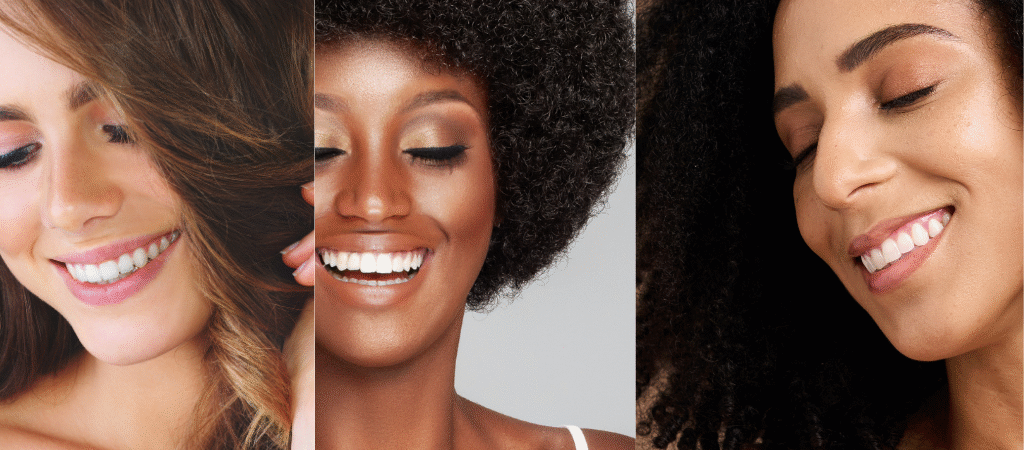
Washing Your Hair with Care
Maintaining healthy hair begins with the proper washing techniques, making it crucial to select suitable products such as sulfate-free shampoos and conditioners. Sulfates, commonly found in conventional hair care products, can strip hair of its essential natural oils, leading to dryness and potential damage. By opting for sulfate-free alternatives, individuals can ensure that their scalp and hair retain moisture, thus maintaining overall hair health. It is equally important to choose formulations that cater to your specific hair type, whether it be oily, dry, or color-treated, as each type has its unique needs.
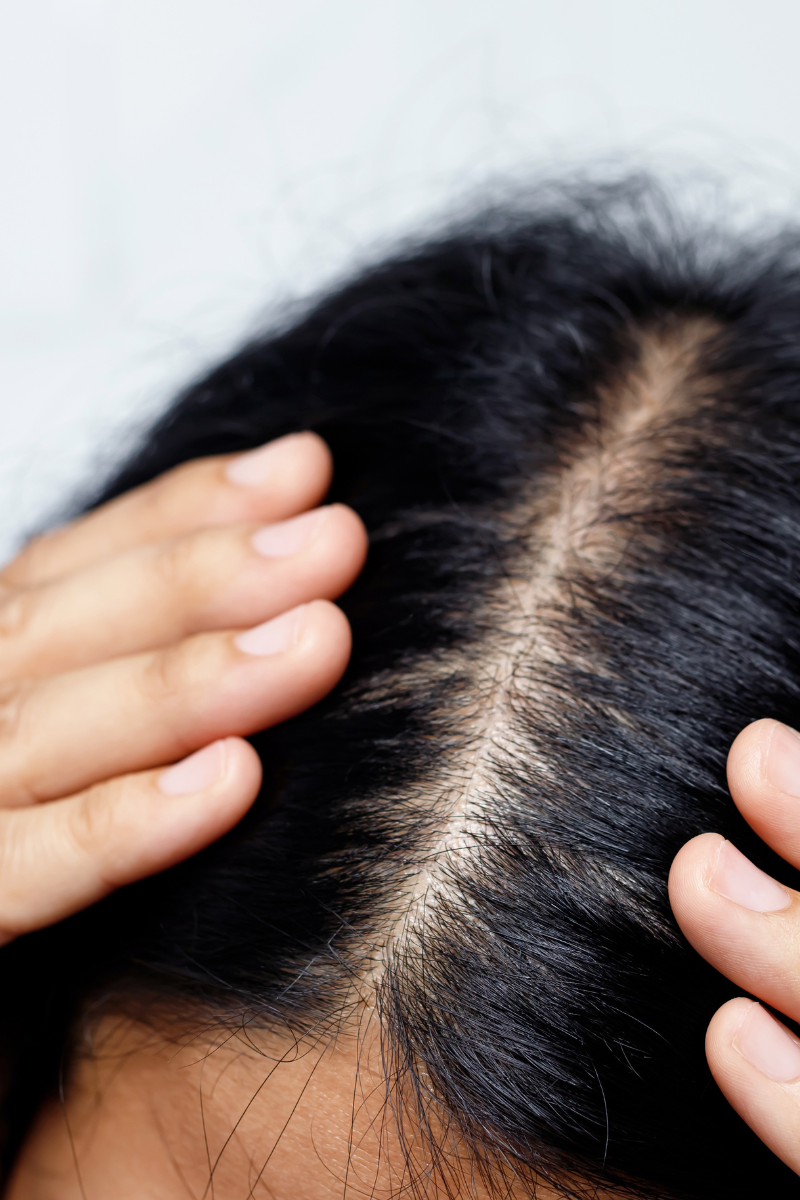
Over washing hair is a common mistake that many make when seeking cleanliness. Frequent washing can disrupt the scalp’s natural oil production, leading to an imbalance that can result in either overly oily hair or increased dryness. Guidelines suggest that individuals with oily hair might benefit from washing their hair every other day, while those with normal hair can wash two to three times a week. For individuals with dry or curly hair, washing once a week or even every ten days might be more appropriate, as it helps preserve the natural moisture essential for maintaining curl definition and hair strength.
When it comes to temperature, using lukewarm water is advisable for washing hair. Hot water can further strip hair and scalp of necessary oils, while cold water may not effectively remove dirt and buildup. Additionally, thoroughly rinsing hair after applying shampoo and conditioner is essential. This step helps to eliminate product residue that can accumulate over time, contributing to dullness and potential scalp issues. By embracing these careful washing practices, one can lay the foundation for vibrant, healthy hair that looks and feels its best.
The Benefits of Deep Conditioning
Deep conditioning is an essential practice for maintaining healthy hair at home. It plays a critical role in restoring moisture, strength, and elasticity, particularly for hair exposed to environmental stressors or heat styling. Regular weekly treatments help combat dryness and prevent breakage, making it a vital component of a comprehensive hair care routine. By incorporating deep conditioning into your regimen, you can achieve softer, shinier, and more manageable hair.
Hey there! I receive a commission when you purchase through these affiliate links I get compensated for my professional recommendations, thank you for taking the time to read my post!

- Sulfate-free shampoo and conditioner duo that repairs and strengthens damaged or color-treated hair, restoring up to 99%…
- Formulated with a vegan conditioner and anti-breakage technology, this system seals split ends and enhances hair’s resil…
- Ideal for all hair types, this strengthening conditioner and shampoo combo helps prevent future damage while nourishing …
There are various types of deep conditioning products available on the market, each designed to cater to different hair types and concerns. Among these, natural options like coconut oil, argan oil, and olive oil stand out due to their nourishing properties. Coconut oil is known for its ability to penetrate the hair shaft, providing deep hydration and reducing protein loss. Argan oil, rich in antioxidants and vitamins, helps to nourish and protect hair, while olive oil is an excellent emollient that enhances shine and softness. Choosing a deep conditioning product that aligns with your specific hair needs will maximize the benefits.
To effectively apply a deep conditioner, follow these steps for optimal results: Begin by washing your hair with a gentle shampoo to remove any buildup. Gently towel-dry your hair to eliminate excess moisture, and then distribute the deep conditioner evenly, focusing on the mid-lengths and ends. For the best outcomes, consider using a wide-tooth comb to ensure thorough coverage. Once applied, allow the conditioner to sit on your hair for the recommended time, typically between 15 to 30 minutes, depending on the product. For a more intense treatment, you can use a shower cap to create heat, which enhances absorption. Rinse thoroughly and enjoy the immediate improvements in your hair’s texture and health.
Trimming and Hair Care Techniques
Maintaining healthy hair at home involves implementing a variety of strategies, particularly through regular trimming and effective hair care techniques. One of the most crucial aspects of hair maintenance is scheduling regular trims. Cutting off split ends helps prevent further damage and encourages healthy hair growth. Ideally, individuals should aim to trim their hair every six to eight weeks. However, those with faster-growing hair or particularly dry hair may benefit from more frequent trims.
For those who wish to undertake the task of trimming their hair at home, it is essential to equip oneself with the proper tools. Sharp haircutting scissors are a necessity; these will provide a clean cut and prevent the hair from fraying. A fine-tooth comb and hair clips are also useful for sectioning hair, ensuring that the trimming process is organized and accurate. Before embarking on trimming, it is advisable to watch instructional tutorials that demonstrate the techniques covered, particularly for beginners. Many online resources provide step-by-step demonstrations to enhance understanding and promote confidence.
In addition to trimming, it is vital to incorporate gentle detangling techniques into your routine. Using tools specifically designed for this purpose, such as wide-tooth combs or boar bristle brushes, can significantly minimize breakage and preserve hair integrity. When detangling, start from the ends and work your way up to avoid unnecessary tension on the hair strands. Additionally, it is beneficial to apply a leave-in conditioner or a detangling spray to facilitate the process, making the hair more manageable and less prone to damage.
In conclusion, prioritizing regular trims and employing effective hair care techniques at home can lead to healthier hair over time. By utilizing the right tools and methods, you can ensure your hair remains vibrant and strong.
Lifestyle Tips for Healthy Hair
Maintaining healthy hair at home involves a holistic approach that integrates various lifestyle choices. One key aspect is the protection of hair from heat during styling. Excessive use of heat tools such as hairdryers, flat irons, and curling wands can lead to damage, dryness, and split ends. To mitigate these risks, it is advisable to use heat protectant sprays and to regulate the temperature setting on styling tools. Additionally, allowing hair to air-dry whenever possible can significantly reduce the damage caused by heat exposure.
Nighttime hair care routines also play a vital role in maintaining hair vitality. For instance, using a silk or satin pillowcase can minimize friction, reducing breakage and maintaining moisture levels. Moreover, loosely braiding hair or tying it up in a soft scrunchie can help prevent tangles while you sleep. Incorporating a weekly hair mask or treatment with natural ingredients can further enhance hair health. Ingredients such as avocado, honey, and yogurt are particularly effective; they serve to nourish and moisturize the hair, providing essential nutrients that promote overall shine and strength.